Private Investigator: The Importance of Finding Missing Persons Through Professional Investigation

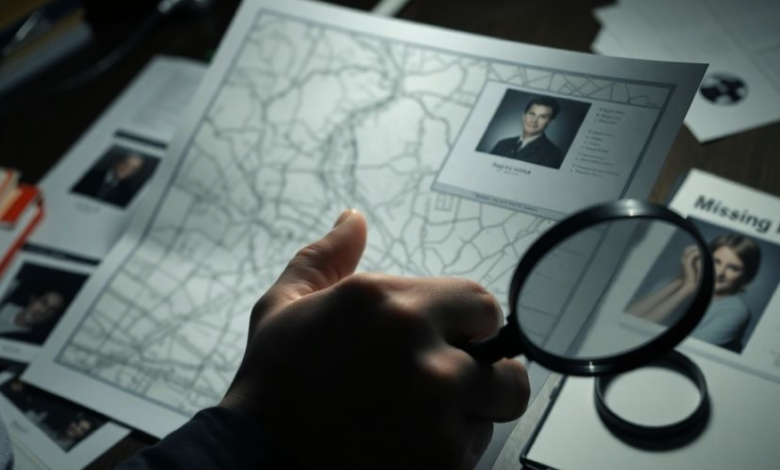
When someone unexpectedly disappears or loses contact with family members, friends, or other important individuals, the situation can create considerable uncertainty. Finding reliable information about their whereabouts may become difficult, particularly when available details are limited or outdated. A private investigator can provide professional assistance by conducting lawful research, examining relevant records, and developing investigative leads that may help locate missing individuals.
Missing-person investigations require patience, sensitivity, and careful attention to detail. Each case presents unique circumstances, and the appropriate investigative approach depends on the available information, the reason for the search, and applicable legal restrictions.
Professional investigators combine research skills, communication abilities, and systematic fact-finding methods to help clients obtain information while respecting personal privacy and individual rights.
Understanding Missing-Person Investigations
A missing-person investigation involves collecting information to determine the possible whereabouts or circumstances of an individual whose location is unknown.
Not every missing-person case involves suspicious activity. People may lose contact because of relocation, family disagreements, communication difficulties, or other personal circumstances.
However, some disappearances may involve immediate safety concerns or circumstances requiring law enforcement assistance.
A private investigator can support appropriate searches through professional research, but should not replace emergency services or police involvement when there is reason to believe someone is in danger.
The main objective is to establish reliable information and help the client understand the circumstances surrounding the disappearance.
Why People Hire a Private Investigator to Locate Missing Individuals
There are various reasons individuals and organizations seek professional assistance with locating someone.
Reconnecting With Lost Family Members
Families sometimes lose contact due to relocation, separation, adoption-related circumstances, or other significant life events.
Over time, outdated contact information and changing personal circumstances can make reconnecting difficult.
A private investigator may assist with lawful research into available records and other relevant information.
Any attempt to establish contact should respect the located person’s wishes and applicable privacy protections.
Finding Long-Lost Friends
People occasionally seek assistance locating childhood friends, former classmates, or individuals with whom they previously maintained meaningful relationships.
Professional research may help establish current information when conventional attempts have been unsuccessful.
Investigators must ensure that the search has a legitimate purpose and does not facilitate unwanted contact or harassment.
Locating Important Witnesses
Legal proceedings sometimes require information from individuals who are difficult to locate.
A private investigator may assist attorneys in finding witnesses through lawful research and appropriate professional communication.
Locating relevant witnesses can help legal representatives obtain information necessary for reviewing a case.
Resolving Unfinished Personal Matters
Certain personal circumstances involve unresolved questions related to family history, property, or other legitimate concerns.
Investigators may assist with locating relevant individuals or verifying available information.
The scope of the investigation should be clearly defined before professional work begins.
How a Private Investigator Begins a Missing-Person Case
A missing-person investigation typically starts with a detailed review of the information already available.
Collecting Basic Background Information
The investigator may request information such as the missing individual’s name, last known location, relevant dates, and previous contact details.
Additional background information may include known professional connections or circumstances surrounding the loss of contact.
The accuracy of these details is important because incorrect information can lead to unrelated records or misleading investigative leads.
Establishing the Timeline
A timeline helps investigators understand when communication stopped and which events occurred beforehand.
Relevant details might include the last confirmed contact, previous residence information, or known relocation plans.
Organizing these details chronologically can help identify gaps that require further examination.
Assessing Potential Safety Concerns
If the available information suggests that the missing individual may be in immediate danger, appropriate authorities should be contacted promptly.
Investigators must recognize the limits of their professional authority and avoid interfering with official investigations.
Private investigation services may provide complementary assistance when lawful and appropriate.
Research Methods Used in Missing-Person Investigations
Professional investigators rely on several information-gathering methods depending on the nature of the case.
Public Record Research
Publicly accessible records can sometimes provide useful information about an individual’s previous activities or known associations.
A private investigator may examine legally available documentation to identify information relevant to the search.
The availability of records differs by jurisdiction, and investigators must comply with applicable access restrictions.
Reviewing Historical Information
Older information can provide useful context, particularly in cases involving individuals who have been out of contact for several years.
Previous addresses, authorized documents, and other relevant records may help establish a clearer historical picture.
However, investigators should avoid assuming that outdated information accurately reflects someone’s present circumstances.
Conducting Appropriate Interviews
People with relevant knowledge may be able to clarify events surrounding the loss of contact.
Investigators may conduct voluntary interviews with individuals who can provide useful information.
Professional interviewing requires sensitivity, especially when family disagreements or emotionally difficult circumstances are involved.
Evaluating Publicly Available Digital Information
Modern communication platforms sometimes contain publicly shared information that may assist legitimate searches.
Investigators may review accessible material to identify relevant details, provided the methods comply with privacy and other applicable laws.
Private messages, restricted accounts, and protected information must not be accessed without lawful authorization.
The Importance of Investigative Accuracy
Missing-person searches can produce information that initially appears promising but later proves unreliable.
For example, individuals with similar names may appear in unrelated public records. Outdated details can also create confusion.
An experienced private investigator carefully evaluates information before treating it as a verified finding.
Confirming Identity
Identity verification helps reduce the risk of confusing different individuals.
Investigators should examine reliable, legally obtained information and avoid drawing conclusions from a single matching detail.
Comparing Independent Sources
Information supported by several reliable sources is generally more useful than an isolated, unverified claim.
Investigators may compare available records and documented statements to identify whether details are consistent.
Recognizing Uncertainty
Not every investigative lead can be confirmed.
A professional investigator should communicate uncertainty clearly rather than presenting assumptions as established facts.
Accurate reporting protects clients from making decisions based on misleading information.
Missing Children and Vulnerable Individuals
Cases involving missing children or vulnerable individuals require particular urgency and care.
When a child disappears or someone may face immediate danger, contacting law enforcement and relevant emergency services should be the priority.
A private investigator may assist families or legal representatives with appropriate supplementary research, provided the work does not interfere with official procedures.
Professional coordination is important because unstructured investigative activity may complicate an active search.
Sensitive personal information should also be protected to avoid exposing vulnerable individuals to additional risks.
How Technology Helps Locate Missing Persons
Technological developments have expanded the resources available for legitimate investigative research.
Digital record systems, searchable archives, and information-management platforms allow professionals to organize large amounts of information more efficiently.
Digital Document Organization
Investigators may use secure systems to arrange photographs, authorized records, interview notes, and chronological information.
Organized documentation makes it easier to identify inconsistencies and review important developments.
Mapping and Geographic Research
Mapping technology can support the analysis of previously known locations and geographic information relevant to an investigation.
Such tools may help investigators understand relationships between documented places without requiring unauthorized access to someone’s current location.
Public Online Research
Publicly accessible information may occasionally provide leads relevant to an investigation.
However, investigators must verify digital findings because online content can be inaccurate, misleading, or outdated.
Technology should support professional judgment rather than replace reliable investigative procedures.
Emotional Challenges Surrounding Missing-Person Investigations
Locating someone can be emotionally demanding for everyone involved.
Families may experience uncertainty, frustration, or concern, particularly when communication has been absent for an extended period.
An investigator should communicate professionally and establish realistic expectations from the beginning.
Clients should understand that an investigation may not produce immediate results and that finding someone does not necessarily mean the individual wishes to resume contact.
Responsible investigative work considers the dignity, safety, and privacy of all affected individuals.
What Happens When a Missing Person Is Located?
Finding reliable information about an individual’s whereabouts represents an important development, but it does not automatically authorize disclosure of their private location.
The next steps depend on the circumstances, applicable laws, safeguarding concerns, and the wishes of the individual involved.
Verifying the Findings
Investigators should confirm relevant information before communicating a conclusion.
Incomplete or inaccurate findings can create unnecessary distress and potentially compromise someone’s privacy or safety.
Respecting Personal Decisions
An adult who is safe and legally entitled to make independent decisions may choose not to reconnect with particular individuals.
A responsible private investigator must respect that decision and applicable privacy requirements.
Where appropriate, an investigator may facilitate a consent-based communication process rather than disclose private contact information.
Providing an Appropriate Final Report
The final report should explain the investigative work completed and summarize information that can lawfully be shared.
Confidential or protected information should be handled according to the relevant legal obligations.
Choosing the Right Private Investigator for a Missing-Person Case
Selecting a professional investigator requires careful evaluation because missing-person assignments can involve sensitive circumstances.
Experience With Similar Investigations
Investigators who have previously handled legitimate missing-person inquiries may be familiar with the practical challenges involved.
Relevant experience can improve research planning, information evaluation, and communication.
Proper Licensing and Credentials
Licensing requirements vary across different countries and regions.
Clients should verify whether an investigator meets the professional requirements applicable to their jurisdiction.
Clear Communication
A trustworthy investigator should explain the general investigation process, possible limitations, costs, and reporting procedures.
Professional communication is particularly important when clients are experiencing uncertainty.
Responsible Information Handling
Investigators should demonstrate a clear commitment to privacy, confidentiality, and lawful information gathering.
Clients should avoid professionals who offer unauthorized tracking, illegal account access, or disclosure of protected personal information.
Factors That Affect the Duration of a Missing-Person Investigation
The time required to complete an investigation depends on numerous circumstances.
A case involving recent and accurate background information may present different challenges from one concerning an individual who has been out of contact for decades.
The availability of lawful records, geographic complexity, cooperation from relevant individuals, and the need for additional verification can all affect progress.
Some investigations produce useful information quickly, while others require extensive research.
No ethical private investigator should guarantee that every missing individual will be located within a specific period.
Benefits of Professional Assistance in Missing-Person Cases
Professional investigative assistance can help clients approach complicated searches in a more organized manner.
An experienced investigator understands the importance of establishing accurate timelines, evaluating potential leads, and documenting information systematically.
Professional research may also help identify inconsistencies that are difficult to recognize when available information is scattered across numerous sources.
Another important benefit is objective assessment. Investigators should evaluate findings according to their reliability rather than allowing emotional assumptions to determine the direction of the case.
The ultimate value of professional investigation lies in responsible information gathering and clear communication of verified results.
Ethical Considerations in Locating Individuals
Missing-person investigations require a careful balance between legitimate information needs and individual privacy.
A client may have understandable reasons for wanting to locate someone, but those reasons do not automatically create a legal right to access protected personal information.
Investigators must assess the legitimacy of an assignment and avoid participating in harassment, stalking, coercion, or unauthorized surveillance.
Where domestic abuse, protective orders, or other safeguarding concerns are relevant, disclosing someone’s location could create serious risks.
Professional ethics require investigators to prioritize lawful methods and consider potential harm before sharing sensitive findings.
Frequently Asked Questions
Can a Private Investigator Help Find a Missing Family Member?
Yes. A private investigator may assist with legitimate missing-person searches through lawful research, information verification, and appropriate investigative procedures.
Can Private Investigators Work on Old Missing-Person Cases?
Yes. Investigators may review historical information and pursue relevant leads in older cases, although available records and practical limitations can affect the results.
Should Police Be Contacted Before Hiring a Private Investigator?
If someone is missing under concerning circumstances, especially when there are immediate safety concerns, law enforcement should be contacted promptly. A private investigator should not replace emergency assistance.
Can an Investigator Reveal Someone’s Current Address?
The disclosure of personal location information depends on applicable laws, legitimate authorization, safety considerations, and the circumstances of the case. Locating someone does not automatically permit disclosure of their private address.
Are Missing-Person Investigations Always Successful?
No. Results depend on the available information, investigative circumstances, cooperation, and legal restrictions. A reputable investigator should never guarantee a specific outcome.
What Information Is Helpful When Starting a Missing-Person Investigation?
Accurate background information, relevant dates, previous contact details, and a clear description of the circumstances surrounding the loss of contact may help establish an appropriate investigative approach.
Conclusion
A private investigator can provide valuable professional support when individuals require assistance locating missing family members, witnesses, or other people for legitimate purposes.
Through careful research, organized documentation, responsible interviews, and lawful investigative methods, professional investigators help clients examine available information and establish reliable findings.
Missing-person investigations require more than technical ability. They also demand patience, sensitivity, ethical judgment, and respect for personal privacy.
By choosing a qualified private investigator and maintaining realistic expectations, clients can approach difficult searches through a structured process that prioritizes accurate information, individual rights, and responsible professional conduct.