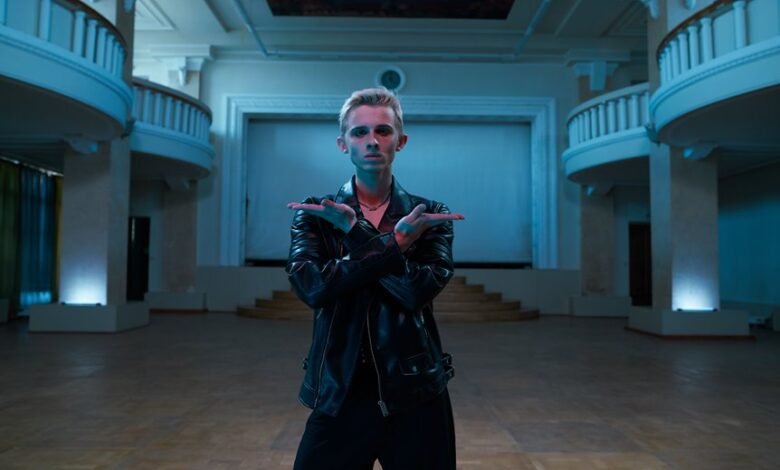
Portrait posing is not about fixed templates or flawless symmetry. It balances comfort, light, distance, and lens choice to shape mood and authenticity. Many assume straight-on, flat angles flatter all faces, or that one pose suits everyone. In practice, small adjustments—head tilt, neck length, shoulder drop—create nuance without distorting character. The result hinges on controlled contrasts and natural ease, leaving room for personality to emerge. The nuance waits to be explored.
What Portrait Posing Really Tries to Do
Portrait posing aims to reveal the subject’s personality while maintaining compositional integrity. The practice centers on balance between expression and structure, producing clear, intentional images. It examines how light, texture, and posture convey mood without distortion. The aim is consistent messaging across frames, guided by contrast psychology and posing aesthetics to enhance authenticity while preserving visual coherence and freedom of interpretation.
Do Angles Slim or Skew Faces? Debunking the Myth?
Angles in portrait posing do not inherently slim or skew faces; their effect depends on camera distance, lens choice, and head-and-shoulder orientation. Practitioners observe that perceived angles shift with perspective, not anatomy.
The discussion debunks contour myths by separating skewness from depth cues, clarifying how angles can flatter without forcing a rigid template. Knowledge empowers freedom to compose.
angles and skewness, contour myths.
How Light Turns Contours Into Cues for Expression
Light shapes contour lines into expressive signals by mapping surface variation to perceptual cues. Shadows and highlights reveal subtle form, guiding cue interpretation without relying on symmetry.
Light anatomy identifies planes, edges, and textures, translating depth into mood. Directors of pose observe how contour cues inform attitude, gaze, and tension, enabling deliberate, freeing choices while preserving natural expression.
The Real Role of Symmetry, Balance, and Comfort
Symmetry, balance, and comfort play a practical, grounded role in portrait posing by shaping how a subject relates to the frame and to the viewer. They clarify composition without dictating emotion.
Symmetry myths obscure nuance, while intentional asymmetry can enhance depth.
Comfort cues guide posture without stiffness, preserving authenticity and readability for audiences seeking freedom in visual storytelling.
Practical Tweaks That Fit Any Face Shape and Mood
What small adjustments reliably firm up likeness and mood across diverse faces and expressions, while staying unobtrusive to the subject’s natural look? Practical tweaks focus on subtle head tilt, neck elongation, and shoulder positioning to honor face shape while guiding mood cues. Lighting angles emphasize contour, preserving expression depth without distraction, letting genuine mood emerge through measured, precise posing.
Frequently Asked Questions
Do Posing Rules Apply to All Age Groups Equally?
Posing rules do not apply equally; posing basics require adjustment for age sensitivity, balancing comfort with expression. For different ages, constraints and freedoms shift—techniques stay practical, visuals remain clear, guiding photographers to respectful, adaptable compositions.
Can Emotions Override Suggested Facial Angles in Portraits?
Emotions can influence expression, but facial angle adjustment remains a structural guide; collaboration directs the feel. Emotional priority shapes pose within wardrobe influence and cultural norms, yet age group applicability varies, balancing practical direction with freedom-minded nuance.
Is Posing More About Collaboration Than Direction?
Yes, posing emphasizes collaboration dynamics over unilateral direction, balancing guidance with client comfort. The approach visualizes progress, fosters open communication, and prioritizes mutual finding of flattering angles, wardrobe, and expressions within a flexible, freedom-friendly workflow.
Do Makeup and Wardrobe Impact Posing Effectiveness?
Makeup influence and wardrobe impact a portrait photographer considers, as cosmetics sculpt light reflection and color harmony, while garments guide posture and silhouette. The approach remains practical and precise, visual yet freedom-friendly, aiding natural collaboration rather than rigid constraint.
How Do Cultural Norms Affect Portrait Posing Conventions?
Cultural norms shape portrait posing conventions through sensitivity to regional etiquette and cultural expression; practitioners adapt angles, expressions, and staging to respect traditions, convey authenticity, and avoid misinterpretation, yielding practical, precise, visually clear results aligned with audience freedom.
Conclusion
Portrait posing isn’t about perfect symmetry or rigid templates; it’s about shaping light, distance, and tilt to reveal character. While skewed angles can slim or emphasize, comfort and authenticity drive results. The aim is balanced contrast: controlled imperfections that read as natural rather than contrived. If one fears subtle asymmetry ruins an image, the truth remains: honest posture and thoughtful light reveal depth. When viewers feel the person before the pose, emotion transcends any technical doubt.